Empowering youth as leaders of a low-carbon society by fostering climate literacy and transferring knowledge to schools, families, and surrounding communities, enabling collective action to address climate change and promote sustainable development at the local level.
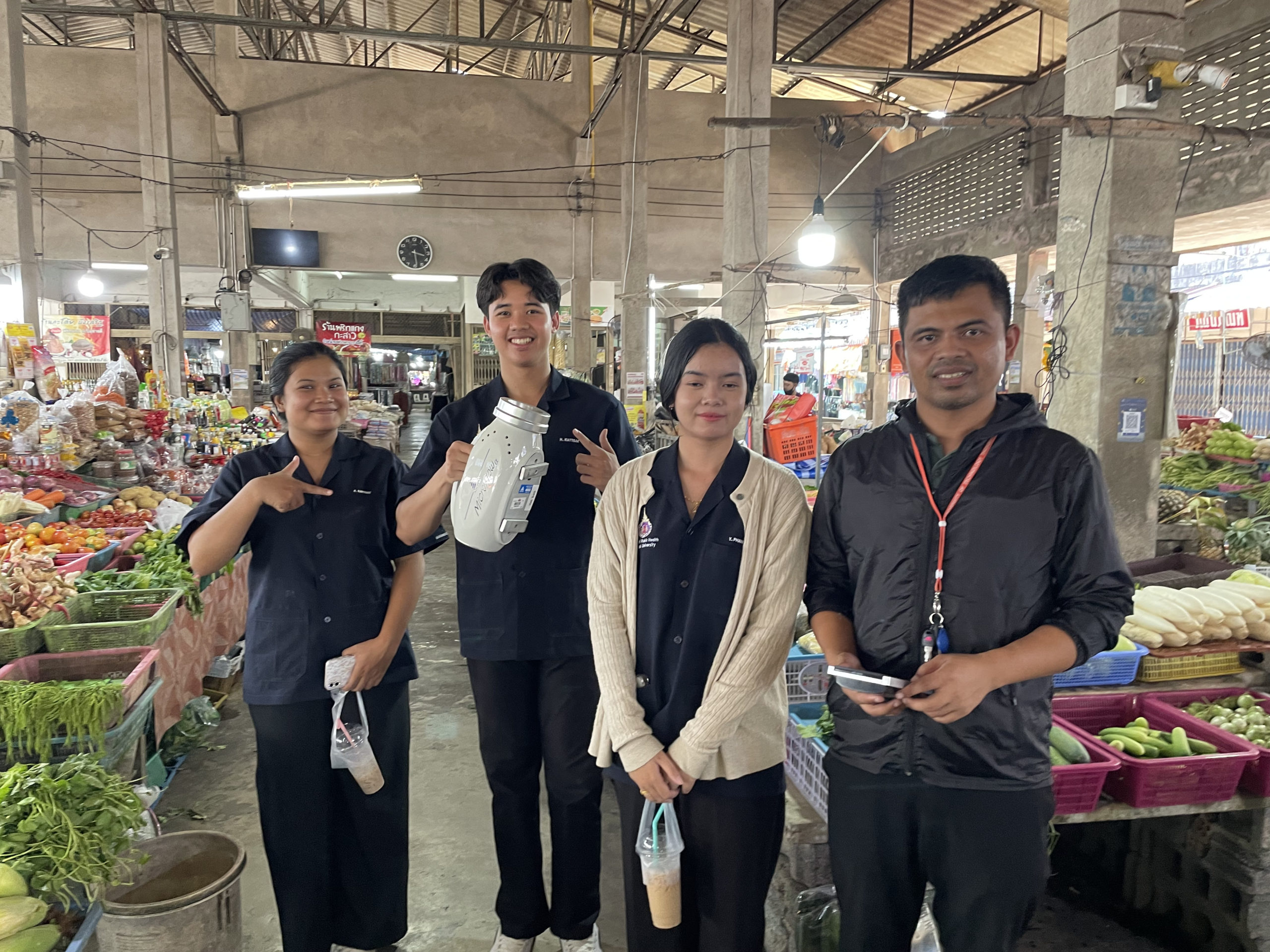
Low-Carbon Youth for Sustainable Development is a community-based climate education initiative designed to empower upper-secondary students as leaders of a low-carbon society. The project promotes climate literacy by helping young people understand climate change, greenhouse gas emissions, carbon footprints, and the connections between everyday activities and environmental impacts. Through lectures, participatory workshops, and practical exercises, students learn how to identify emission sources, calculate basic carbon footprints, and develop realistic strategies to reduce emissions in their daily lives, schools, and communities.
The programme places strong emphasis on learning by doing. Students will examine energy use, transportation, waste management, plastic consumption, and resource use within the school context. They will then work in groups to design low-carbon campaigns and practical environmental measures that can be implemented locally. This process strengthens analytical thinking, communication, teamwork, and problem-solving skills while encouraging young people to become role models for sustainable behaviour.
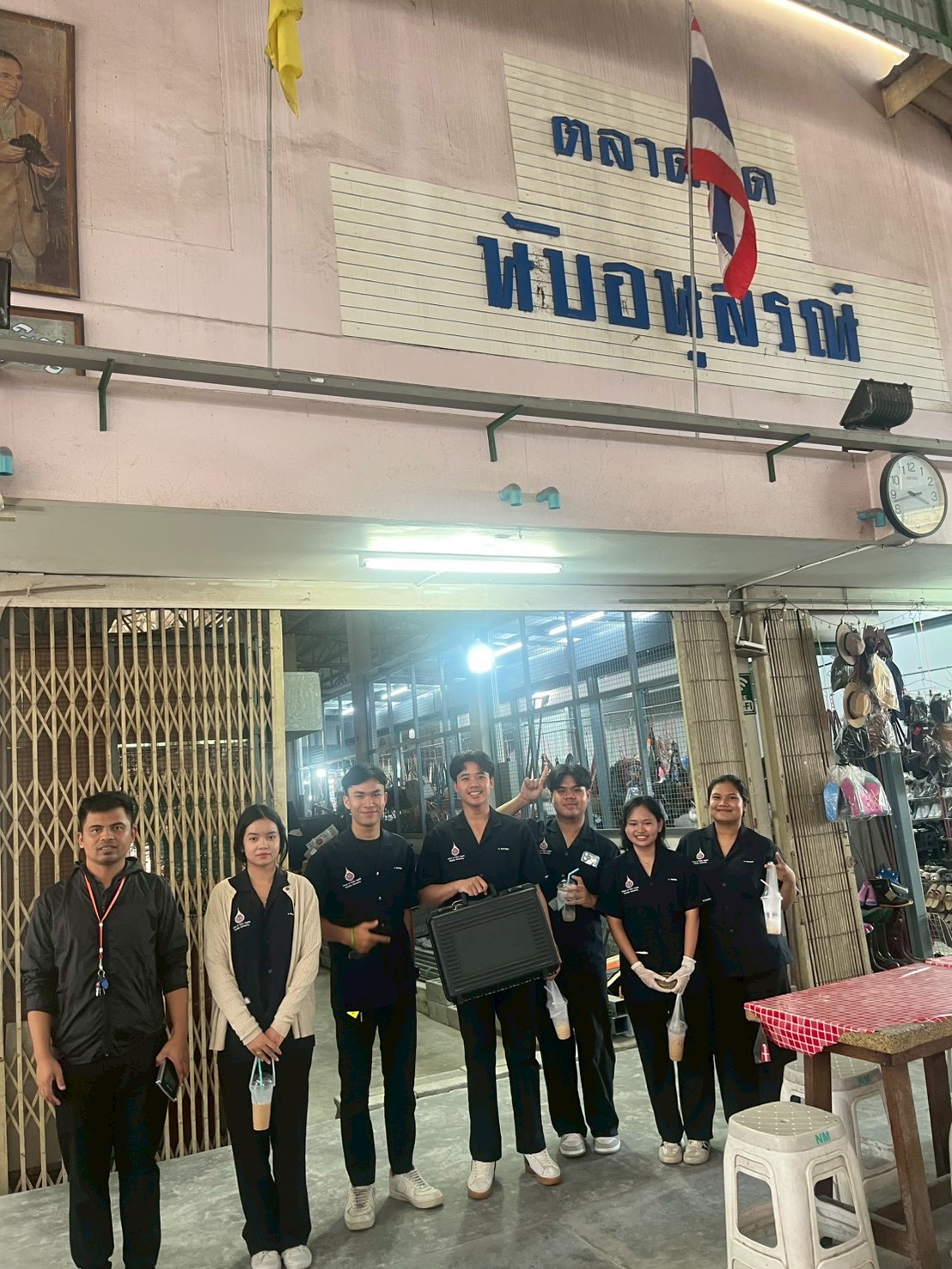
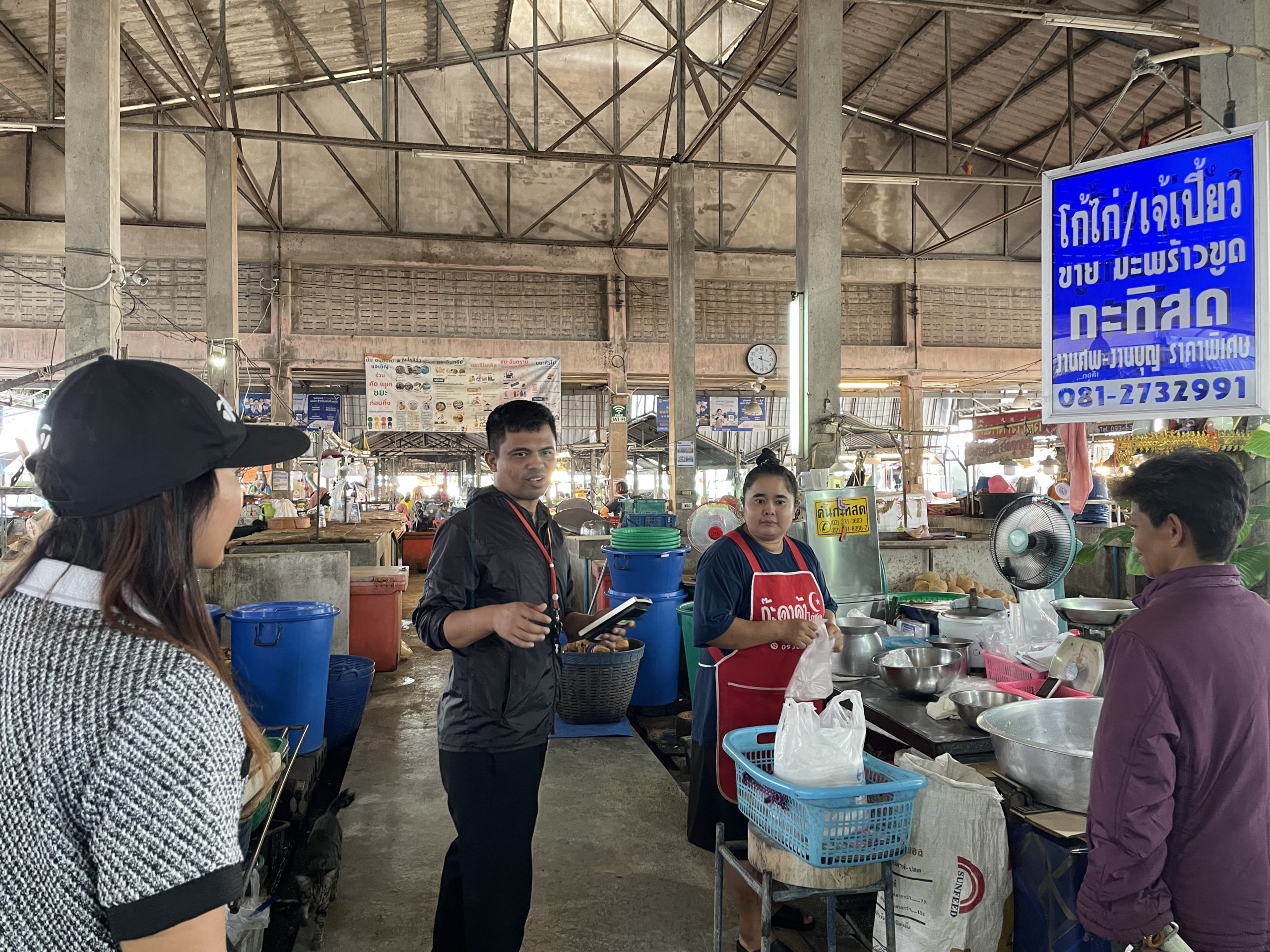
A key feature of the project is knowledge transfer beyond the classroom. Participants are encouraged to share what they have learned with their families, peers, and surrounding communities, creating wider awareness and collective participation in climate action. Collaboration among the university, school, students, and local stakeholders also supports the development of a continuing climate learning network at the local level.
The project directly supports SDG 13.3.1: Local Education Programmes on Climate under the Times Higher Education Impact Rankings. It provides accessible education on climate risks, impacts, mitigation, and adaptation, while building the capacity of young people to respond to climate change in practical and meaningful ways. By empowering youth to lead local action, the initiative contributes to stronger climate awareness, more sustainable lifestyles, and long-term progress toward resilient, low-carbon communities. Pre- and post-activity assessments, participant reflections, and community engagement records will document learning outcomes, support continuous improvement, and provide evidence of measurable educational impact.
📌 เอกสารอ้างอิง
Anderson, A. (2012). Climate change education for mitigation and adaptation. Journal of education for sustainable development, 6(2), 191-206.
Kumar, P., Sahani, J., Rawat, N., Debele, S., Tiwari, A., Emygdio, A. P. M., … & Pfautsch, S. (2023). Using empirical science education in schools to improve climate change literacy. Renewable and Sustainable Energy Reviews, 178, 113232.
Stevenson, R. B., Nicholls, J., & Whitehouse, H. (2017). What is climate change education?. Curriculum perspectives, 37(1), 67-71.
