ในปัจจุบัน การใช้สมุนไพรควบคู่ไปกับยาแผนปัจจุบันได้รับความนิยมเพิ่มขึ้นเรื่อยๆ แต่หลายคนอาจลืมนึกไปว่า “สมุนไพรก็มีฤทธิ์ทางยา” ซึ่งเมื่อใช้ร่วมกับยาที่แพทย์สั่ง อาจเกิดปฏิกิริยาระหว่างกัน (Herb-Drug Interactions) ที่ส่งผลเสียต่อการรักษาได้
วันนี้เราจึงสรุปประเด็นสำคัญจากหลักฐานเชิงประจักษ์ เพื่อให้ท่านนำไปปรับใช้และระมัดระวังมากขึ้นครับ
ทำไมต้องระวัง? (กลไกที่มองไม่เห็น)
ปฏิกิริยาระหว่างสมุนไพรและยาแผนปัจจุบันมักเกิดขึ้นผ่าน 2 กลไกหลัก:
การปรับเปลี่ยนระดับยาในเลือด (PK): สมุนไพรอาจไปกระตุ้นหรือยับยั้งเอนไซม์ในตับและลำไส้ที่ใช้ทำลายยา ส่งผลให้ระดับยาในเลือด “สูงเกินไปจนเป็นพิษ” หรือ “ต่ำเกินไปจนรักษาไม่ได้ผล” (เช่น กรณี St. John’s Wort ที่ทำให้ยาคุมกำเนิดหรือยาปลูกถ่ายอวัยวะไร้ผล)
การเสริมฤทธิ์หรือหักล้าง (PD): สมุนไพรบางชนิดออกฤทธิ์ซ้ำซ้อนกับยาแผนปัจจุบัน เช่น สมุนไพรที่ช่วยต้านการแข็งตัวของเลือด หากทานคู่กับยาละลายลิ่มเลือด อาจเสี่ยงต่ออาการ “เลือดออกผิดปกติ”
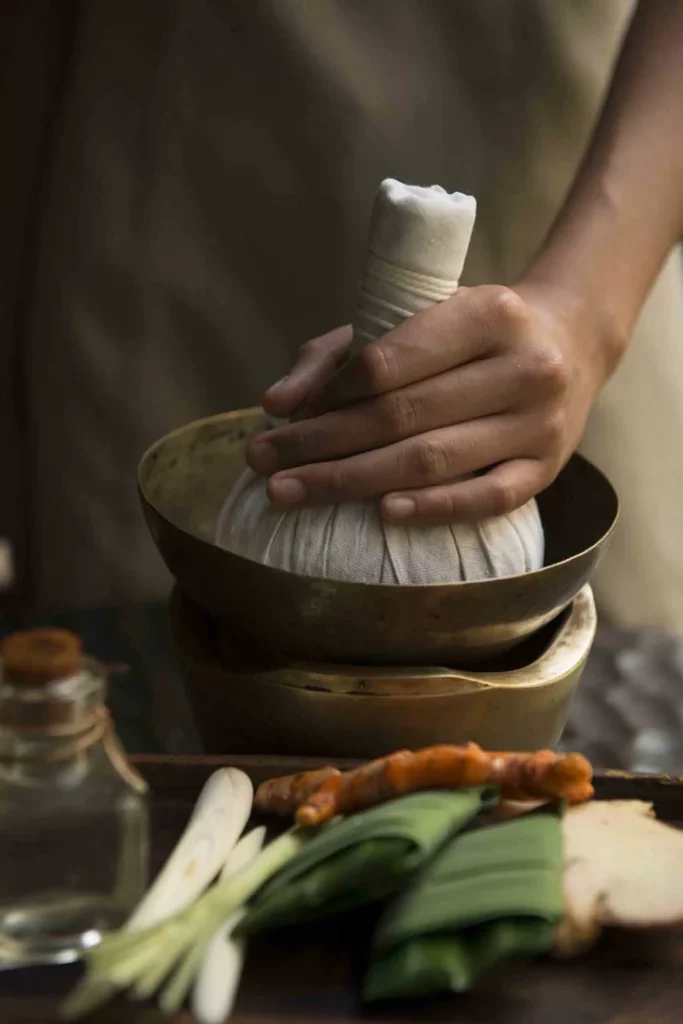
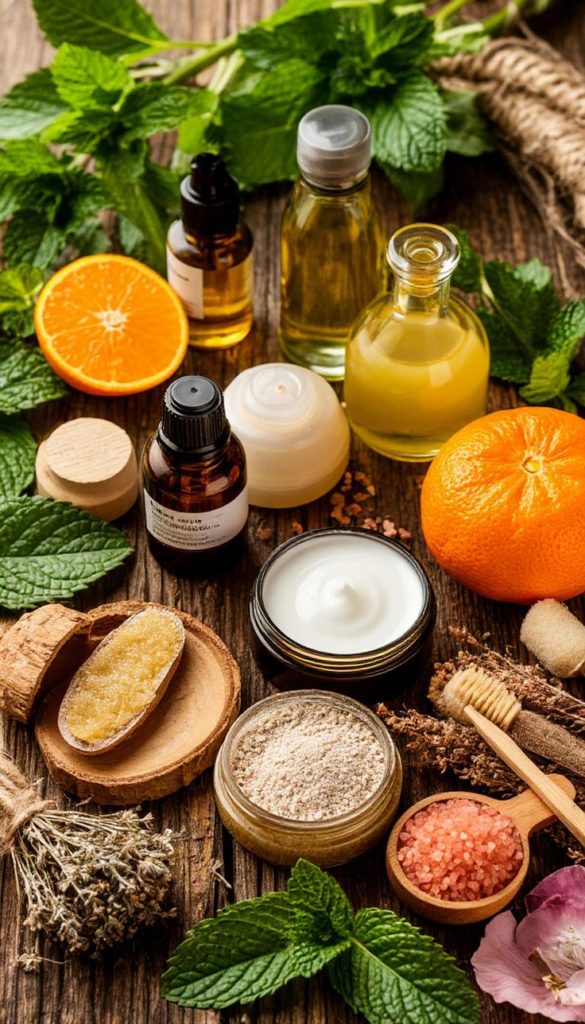
รูปที่ 1: สมุนไพร มาจากพืช สัตว์ แร่ธาตุ และจุลินทรีย์ สามารถพบได้ในรูปของยา อาหาร เครื่องสำอาง และผลิตภัณฑ์สุขภาพอื่น ๆ
สมุนไพรที่ต้อง “จับตา” เป็นพิเศษ
จากงานวิจัย พบสมุนไพรหลายชนิดที่มีหลักฐานปฏิกิริยาชัดเจน:
- St. John’s Wort: ตัวร้ายของวงการยา เพราะไปเหนี่ยวนำเอนไซม์ให้กำจัดยาออกเร็วเกินไป ส่งผลกระทบอย่างรุนแรงต่อยาต้านไวรัส HIV, ยาเคมีบำบัด และยาป้องกันการปฏิเสธของอวัยวะ
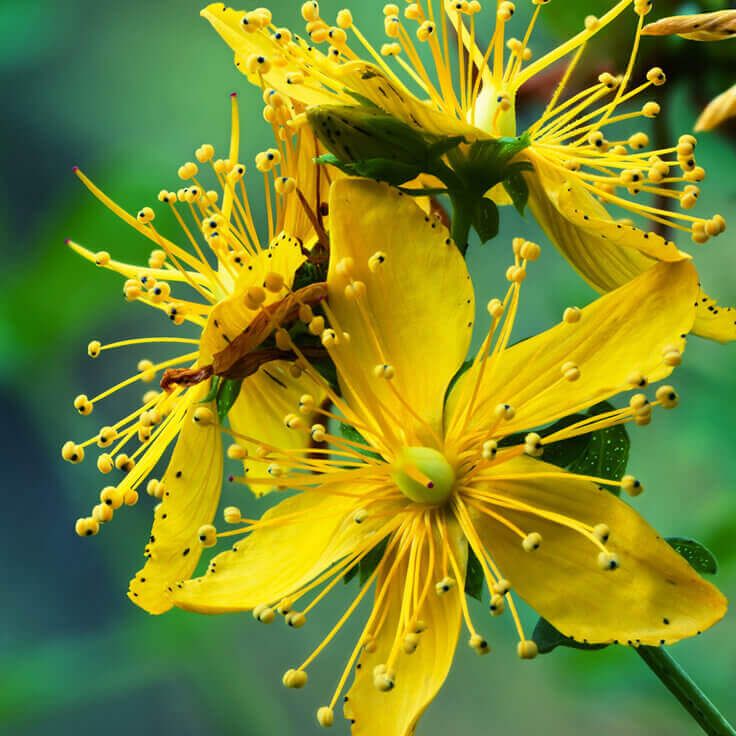
รูปที่ 2: ส่วนดอกของ St. John’s Wort
- น้ำเกรปฟรุต (Grapefruit juice): ยับยั้งเอนไซม์สำคัญในลำไส้ ทำให้ยาบางกลุ่ม (เช่น ยาลดไขมันกลุ่ม Statin, ยาความดันบางชนิด) เข้าสู่กระแสเลือดสูงจนเกินขนาด
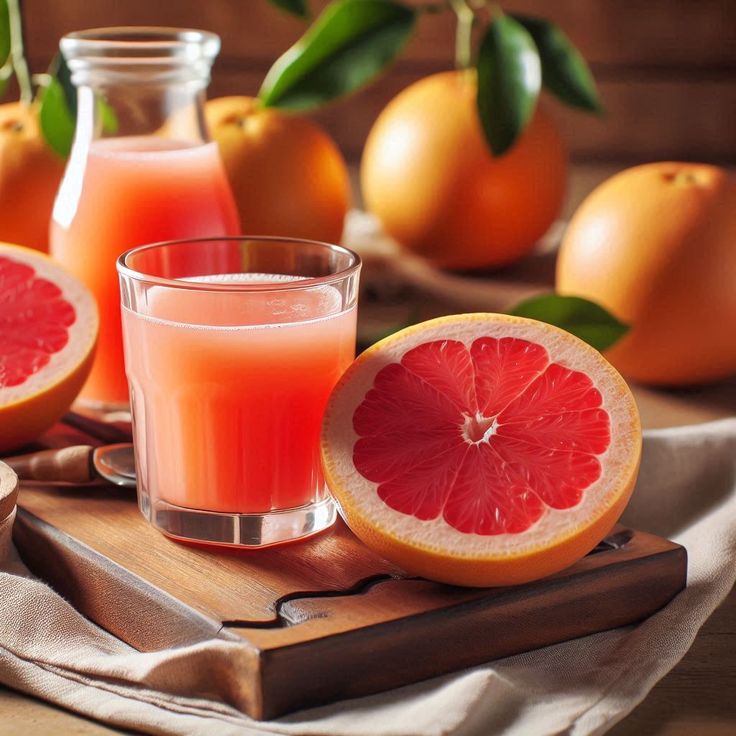
รูปที่ 3: น้ำเกรปฟรุต (Grapefruit juice)
- สมุนไพรกลุ่มต้านการแข็งตัวของเลือด: ได้แก่ แปะก๊วย (Ginkgo), กระเทียม, ขิง, โสม, น้ำมันปลา และ วิตามินอี หากใช้ในขนาดสูงร่วมกับยาต้านการแข็งตัวของเลือด (เช่น Warfarin) อาจเพิ่มความเสี่ยงเลือดออกในร่างกายได้
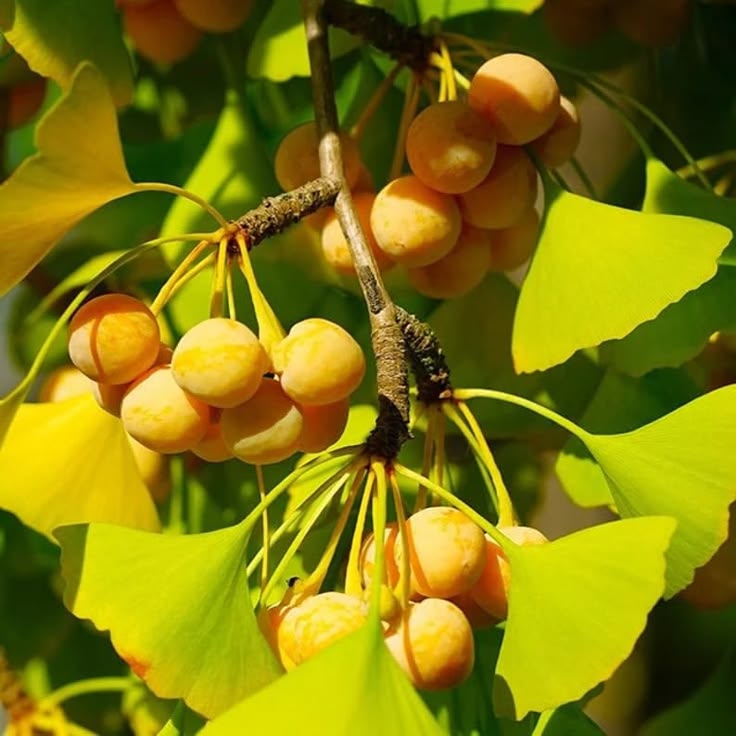
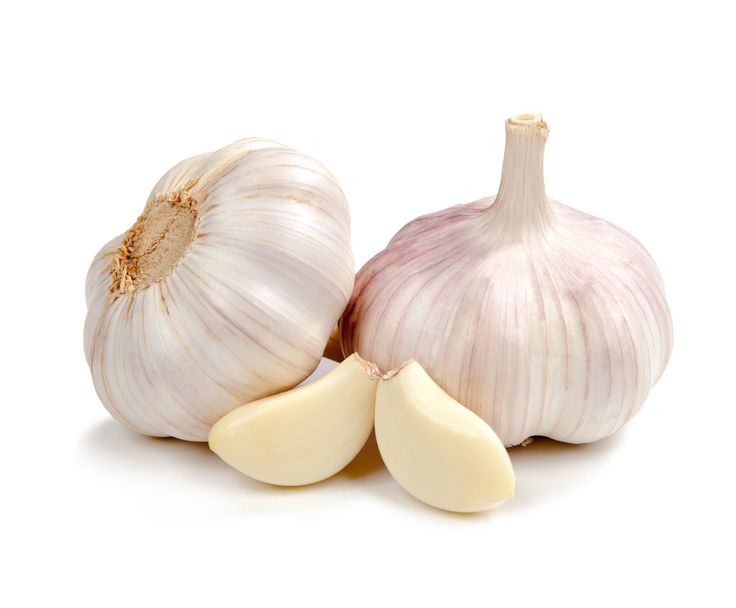
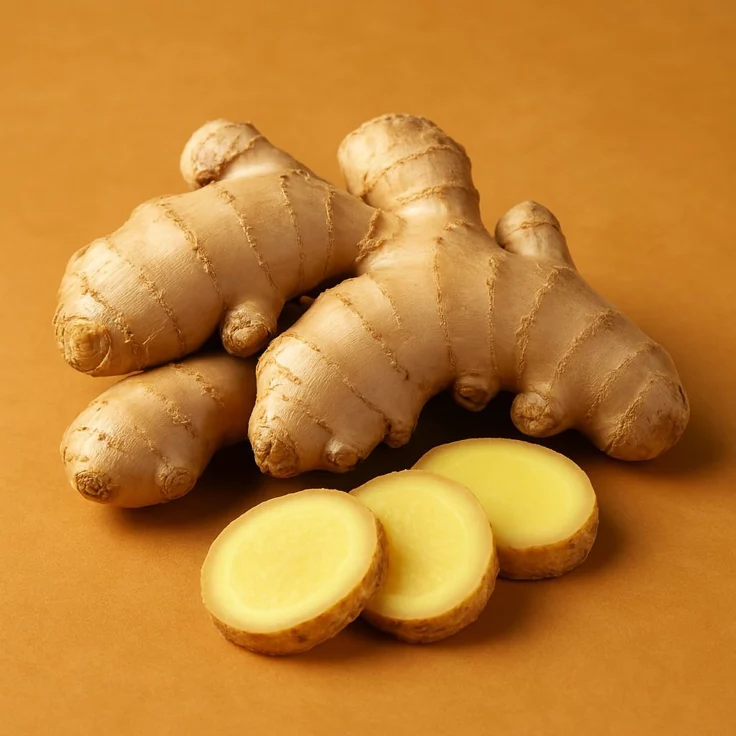
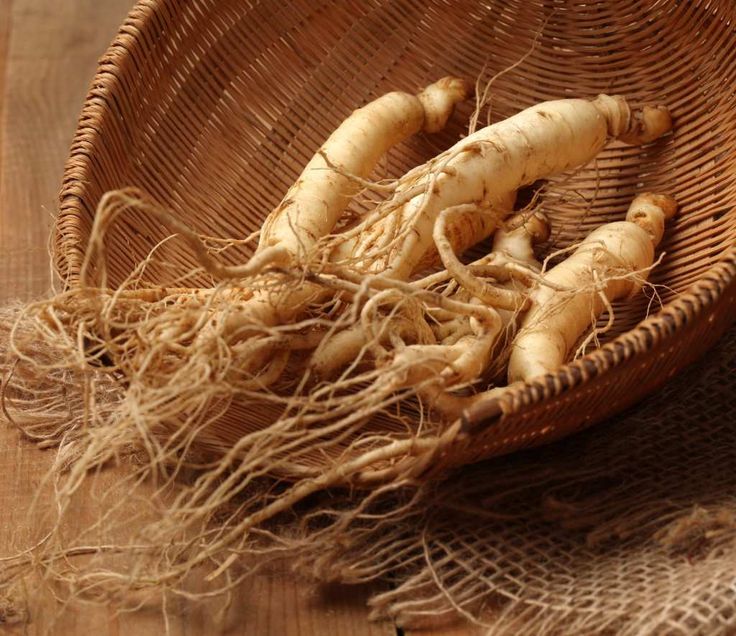
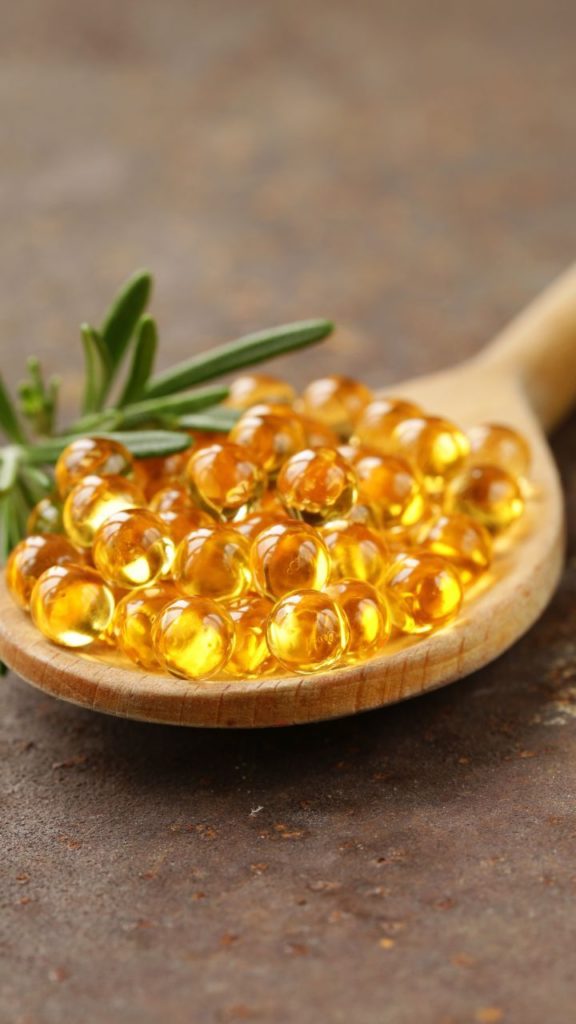
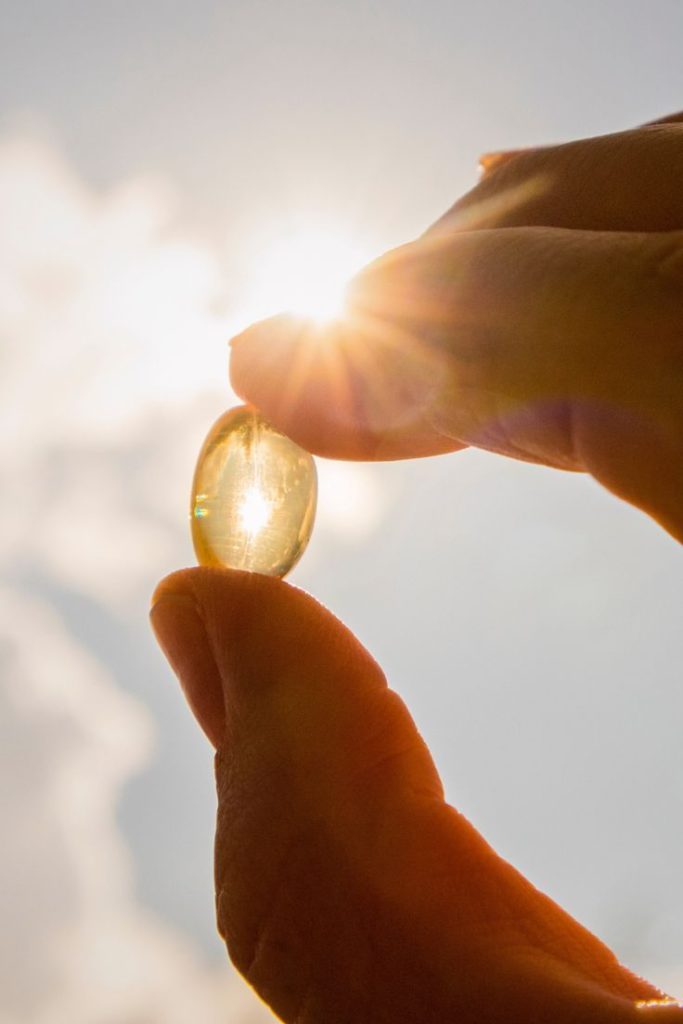
รูปที่ 4: แสดงตัวอย่างสมุนไพร และสารสำคัญที่มีการใช้ และมีผลต่อการแข็งตัวของเลือด ได้แก่ แปะก๊วย กระเทียม ขิง โสม น้ำมันปลา และ Vitamin E
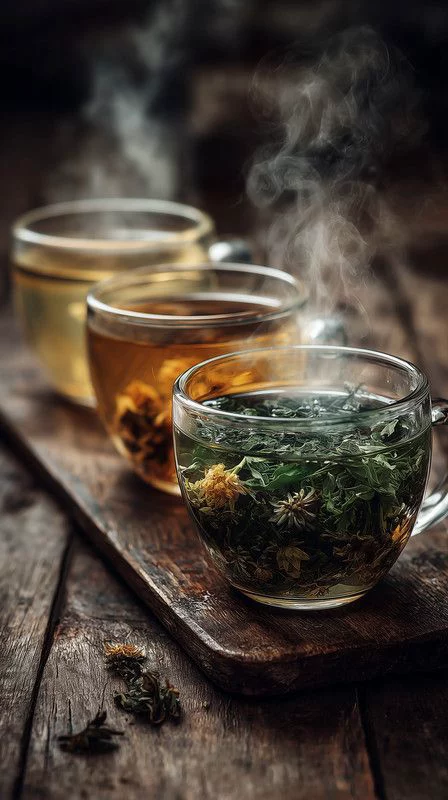
- ชาเขียว: การดื่มชาเขียวเข้มข้น (สารสกัด EGCG) อาจขัดขวางการดูดซึมยาหลายชนิด เช่น ยาลดไขมันและยาความดัน ทำให้ระดับยาในเลือดลดลง
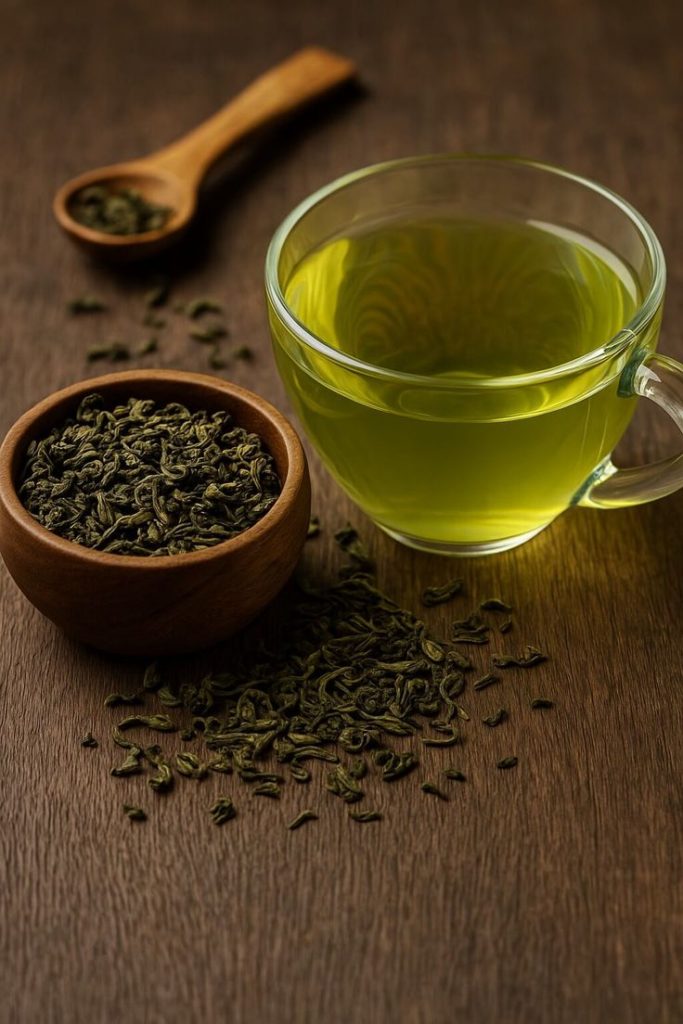
รูปที่ 5: ชาเขียว
คำแนะนำ: ปลอดภัยไว้ก่อน
เพื่อให้การรักษาได้ผลดีที่สุด ขอแนะนำแนวทางปฏิบัติง่ายๆ ดังนี้ครับ:
สำหรับประชาชน:
บอกหมอและเภสัชกรทุกครั้ง: หากคุณกำลังทานสมุนไพร วิตามิน หรืออาหารเสริมชนิดใดอยู่ ให้แจ้งบุคลากรทางการแพทย์ทราบเสมอ
สมุนไพรไม่เท่ากับปลอดภัย: การใช้สมุนไพรเป็น “อาหาร” (ปริมาณน้อยในกับข้าว) กับการใช้เป็น “อาหารเสริม” (ปริมาณสูง/สกัดเข้มข้น) มีผลต่อร่างกายต่างกันมาก
ระวังเป็นพิเศษ: หากคุณได้รับยาในกลุ่มยาละลายลิ่มเลือด, ยาคุมกำเนิด, ยาเคมีบำบัด, ยาต้านไวรัส หรือยาที่ต้องมีการตรวจเลือดติดตามระดับยาอยู่เป็นประจำ
สำหรับบุคลากรทางการแพทย์:
การซักประวัติเรื่องอาหารเสริมและสมุนไพรควรเป็น “คำถามมาตรฐาน” ในทุกการประเมินผู้ป่วย เนื่องจากผู้ป่วยมักไม่ทราบว่าต้องแจ้งข้อมูลนี้
ก่อนผ่าตัด: แนะนำให้ผู้ป่วยหยุดสมุนไพรกลุ่มที่มีผลต่อการห้ามเลือด (อาทิ แปะก๊วย, ขิง, กระเทียม) ล่วงหน้าอย่างน้อย 1 สัปดาห์ เพื่อความปลอดภัย
เป็นต้น
“การใช้สมุนไพรไม่ใช่เรื่องผิด แต่ต้องใช้ด้วยความเข้าใจ ข้อมูลเชิงประจักษ์เตือนเราว่า “ยาแผนปัจจุบันมีความแม่นยำสูง แต่อาจถูกรบกวนด้วยสารธรรมชาติได้” ดังนั้น การปรึกษาผู้เชี่ยวชาญก่อนเริ่มต้นใช้สมุนไพรร่วมกับยาที่รักษาโรคประจำตัวอยู่ จึงเป็นทางเลือกที่ดีที่สุดในการดูแลสุขภาพของท่านเองครับ“
หมายเหตุ: ข้อมูลนี้สรุปจากหลักฐานเชิงประจักษ์ทางการแพทย์ หากท่านมีโรคประจำตัวหรือใช้ยาต่อเนื่อง ควรปรึกษาแพทย์หรือเภสัชกรก่อนรับประทานสมุนไพรในรูปแบบสารสกัดเข้มข้นทุกครั้ง
เอกสารอ้างอิง
Bahramsoltani, R., Rahimi, R., & Farzaei, M. H. (2017). Pharmacokinetic interactions of curcuminoids with conventional drugs: A review. Journal of Ethnopharmacology, 209, 1–12. https://www.semanticscholar.org/paper/d3cb21e7818858b0243dd9d93a0b91f56f52012a
Bailey, D. G., Malcolm, J., Arnold, O., & Spence, J. D. (1998). Grapefruit juice–drug interactions. British Journal of Clinical Pharmacology, 46(2), 101–110. https://doi.org/10.1046/j.1365-2125.1998.00764.x
Brantley, S. J., Graf, T. N., Oberlies, N. H., & Paine, M. F. (2013). A systematic approach to evaluate herb–drug interaction mechanisms: Investigation of milk thistle extracts and eight isolated constituents as CYP3A inhibitors. Drug Metabolism and Disposition, 41(9), 1662–1670. https://dmd.aspetjournals.org/content/dmd/41/9/1662.full.pdf
Chadha, R. M., & Egan, B. J. (2018). Perioperative considerations of herbal medications. American Journal of Therapeutics. https://www.semanticscholar.org/paper/be828932861237f0eec0d0377af28c945c470c78
Donoghue, T. J. (2018). Herbal medications and anesthesia case management. AANA Journal, 86(3), 242–248. https://www.semanticscholar.org/paper/300206d09ef5620dc4d37702424de4ccc40de04e
Engelsen, J., Nielsen, J. D., & Winther, K. (2002). Effect of Coenzyme Q10 and Ginkgo biloba on warfarin dosage in stable, long-term warfarin treated outpatients: A randomised, double blind, placebo-crossover trial. Thrombosis and Haemostasis, 87(6), 1075–1076. https://www.semanticscholar.org/paper/1b11b7fb58361a58277d2778b1cecfe1fed8b89f
Izzo, A. A. (2005). Herb–drug interactions: An overview of the clinical evidence. Fundamental & Clinical Pharmacology, 19(1), 1–16. https://www.semanticscholar.org/paper/e7a8e844769f5f32836f5c10d15d35a1bfd6c89f
Janetzky, K., & Morreale, A. P. (1997). Probable interaction between warfarin and ginseng. American Journal of Health-System Pharmacy, 54(6), 692–693. https://doi.org/10.1093/ajhp/54.6.692
Jiso, A., Khemawoot, P., Techapichetvanich, P., Soopairin, S., Phoemsap, K., Damrongsakul, P., Wongwiwatthananukit, S., & Vivithanaporn, P. (2022). Drug–herb interactions among Thai herbs and anticancer drugs: A scoping review. Pharmaceuticals, 15(2), 146. https://doi.org/10.3390/ph15020146
Jutiviboonsuk, A. (2015). The role of Andrographis paniculata (Burm.f.) Wall. ex Nees in drug interactions. Huachiew Chalermprakiet Science and Technology Journal. https://www.semanticscholar.org/paper/7305cf379d1b2d6dce3a009c08fdc464e71ea88d
Kalluru, H., Mallayasamy, S., Kondaveeti, S. S., Chandrasekhar, V., & Kalachaveedu, M. (2022). Effect of turmeric supplementation on the pharmacokinetics of paclitaxel in breast cancer patients: A study with population pharmacokinetics approach. https://www.semanticscholar.org/paper/ba820f94817640dca327e89e55df0fd9b0a26ae1
Kellermann, A. J., & Kloft, C. (2011). Is there a risk of bleeding associated with standardized Ginkgo biloba extract therapy? A systematic review and meta-analysis. Pharmacotherapy, 31(5), 490–502. https://www.semanticscholar.org/paper/0b957a176f22babfe02bc1e3e63879a75320d56d
Kyriacou, N. M., Gross, A. S., & McLachlan, A. J. (2025). Green tea catechins as perpetrators of drug pharmacokinetic interactions. Clinical Pharmacology & Therapeutics. https://doi.org/10.1002/cpt.3547
Nicolussi, S., Drewe, J., Butterweck, V., & Meyer zu Schwabedissen, H. E. (2019). Clinical relevance of St. John’s wort drug interactions revisited. British Journal of Pharmacology, 177(6), 1212–1226. https://doi.org/10.1111/bph.14936
Quignot, N., & Amzal, B. (2015). Can grapefruit juice make safe drugs unsafe or ineffective? An evidence-based answer. Value in Health, 18(7), A719. http://www.valueinhealthjournal.com/article/S1098301515037912/pdf
Sirisangtragul, W., & Sripanidkulchai, B. (2013). Modulatory effect of Thai traditional medicine (Yahom Tultavai) on hepatic cytochrome P450 enzymes and pentobarbital-induced sleeping in mice. African Journal of Traditional, Complementary and Alternative Medicines, 10(6), 519–525. https://www.ajol.info/index.php/ajtcam/article/download/89757/79214
Stanger, M. J., Thompson, L. A., Young, A. J., & Lieberman, H. R. (2012). Anticoagulant activity of select dietary supplements. Nutrition Reviews, 70(2), 107–117. https://www.semanticscholar.org/paper/55d56f9d1a3e1c0b51fc4512fd78904ae2ad80c5
Stoddard, G. J., Archer, M., Shane-McWhorter, L., Bray, B. E., Redd, D. F., Proulx, J., & Zeng-Treitler, Q. (2015). Ginkgo and warfarin interaction in a large Veterans Administration population. AMIA Annual Symposium Proceedings, 2015, 1174–1183. https://www.semanticscholar.org/paper/76dce51950f094a3d73f7f94409e9591eeef4db3
Tsai, H.-H., Lin, H.-W., Lu, Y.-H., Chen, Y.-L., & Mahady, G. B. (2013). A review of potential harmful interactions between anticoagulant/antiplatelet agents and Chinese herbal medicines. PLoS ONE, 8(5), e64255. https://doi.org/10.1371/journal.pone.0064255
Ulbricht, C., Chao, W., Costa, D., Rusie-Seamon, E., Weissner, W., & Woods, J. (2008). Clinical evidence of herb–drug interactions: A systematic review by the Natural Standard Research Collaboration. Current Drug Metabolism, 9(10), 1063–1120. https://www.semanticscholar.org/paper/8f686247965075cade8a192584e7781b5df0c0e7
Vaes, L. P. J., & Chyka, P. A. (2000). Interactions of warfarin with garlic, ginger, ginkgo, or ginseng: Nature of the evidence. Annals of Pharmacotherapy, 34(12), 1478–1482. https://www.semanticscholar.org/paper/82c21f284ed65cb5ccbd6089821ae6ca2dcb494a
Volak, L. P., Hanley, M. J., Masse, G., Hazarika, S., Harmatz, J. S., Badmaev, V., Majeed, M., Greenblatt, D. J., & Court, M. H. (2013). Effect of a herbal extract containing curcumin and piperine on midazolam, flurbiprofen and paracetamol (acetaminophen) pharmacokinetics in healthy volunteers. British Journal of Clinical Pharmacology, 75(2), 450–462. https://doi.org/10.1111/j.1365-2125.2012.04364.x
