
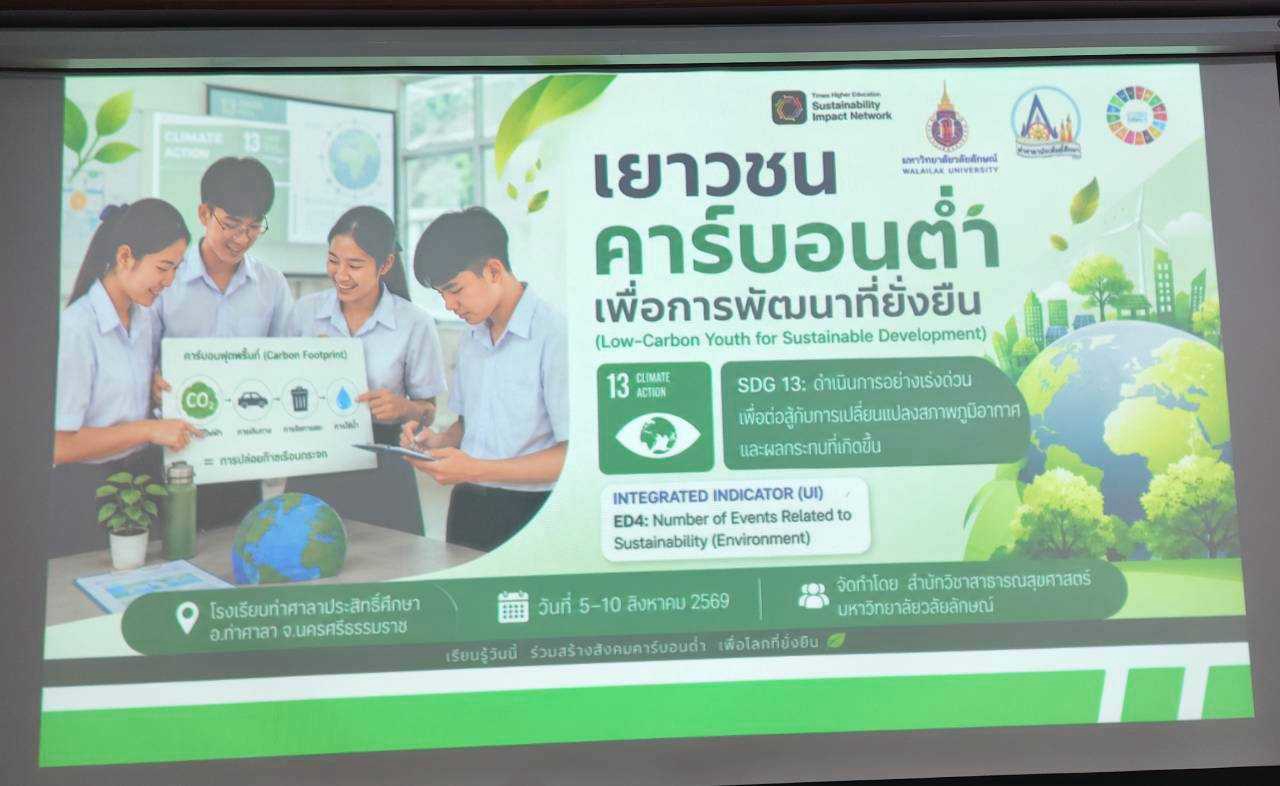
The project empowered 150 students and community members to transform climate knowledge into local action, strengthening awareness and collective commitment toward low-carbon schools, households, and communities.
Low-Carbon Youth for Sustainable Development: From Climate Knowledge to Local Action
The Low-Carbon Youth for Sustainable Development project was implemented to strengthen climate literacy and promote public awareness of practical actions to reduce greenhouse gas emissions. The initiative translated climate knowledge into community-level learning and encouraged participants to recognize their roles in addressing climate change through everyday decisions.
The project reached 150 participants across two target groups. The first outreach activity was conducted at Nab Anusorn Market, where 30 community members and local vendors participated in climate education activities. The programme focused on raising awareness of greenhouse gas emissions associated with daily activities, consumption, energy use, resource use, and waste management. Participants were encouraged to identify practical opportunities for adopting more environmentally responsible and low-carbon practices in their households, businesses, and community.
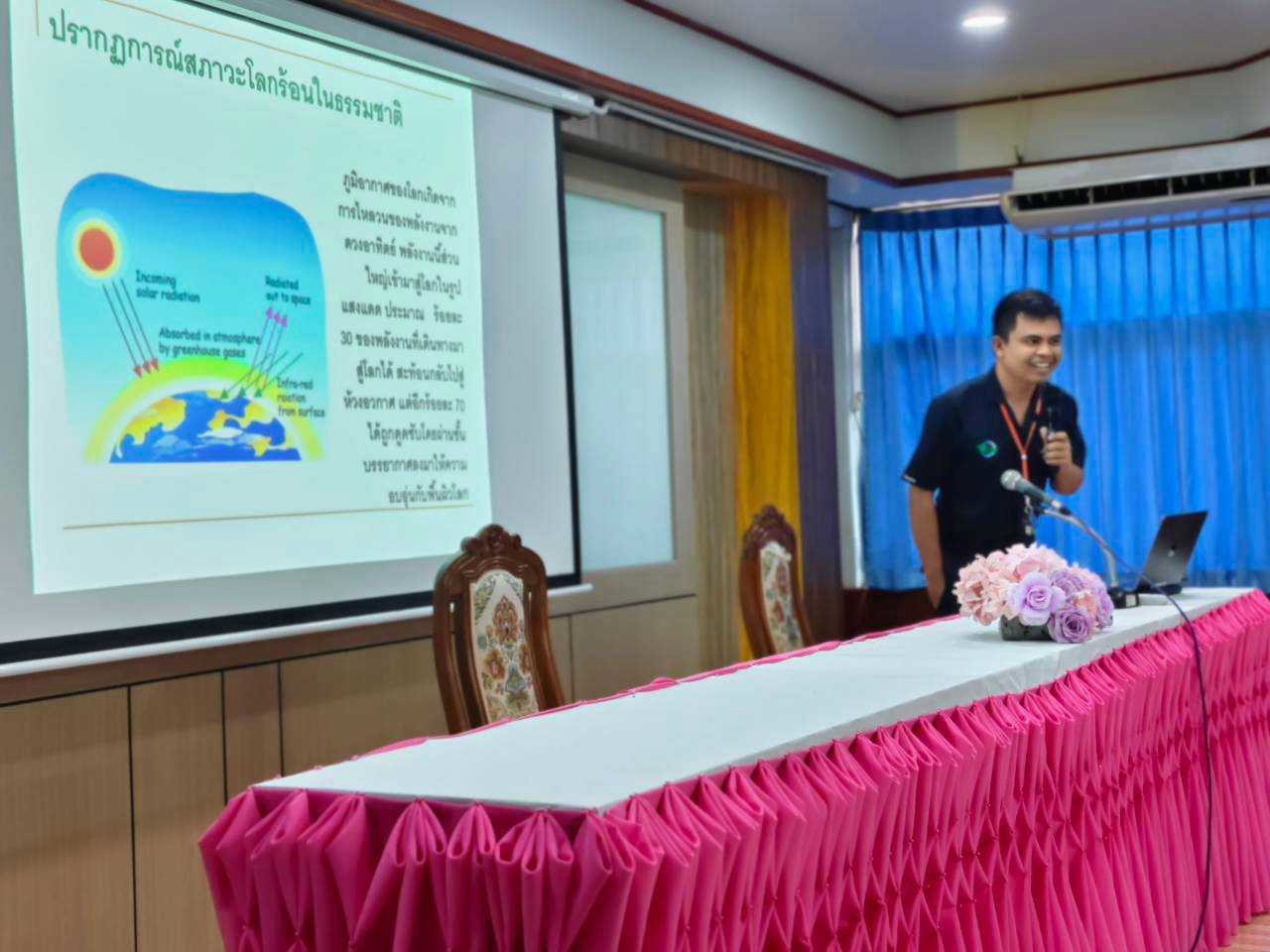
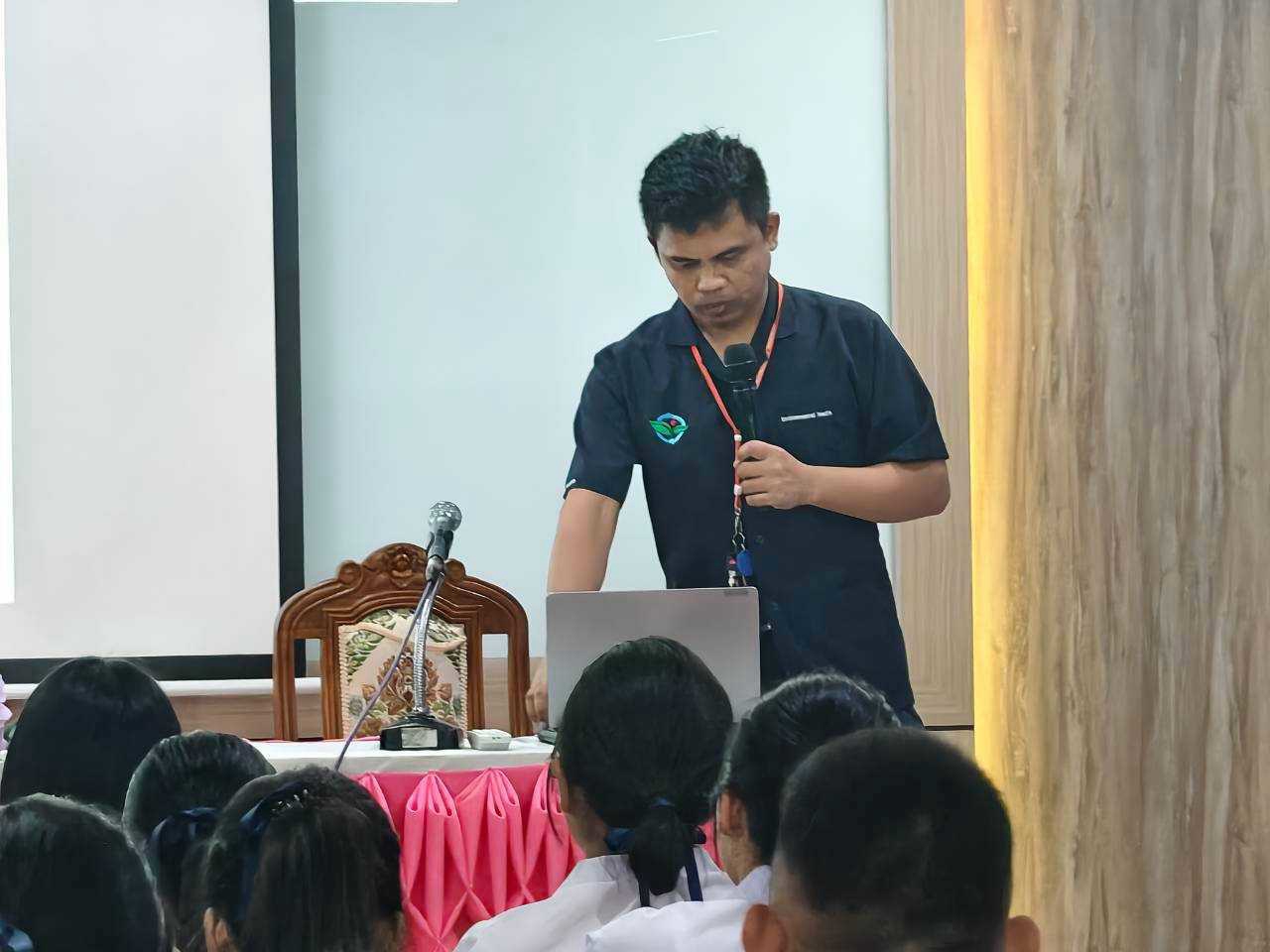
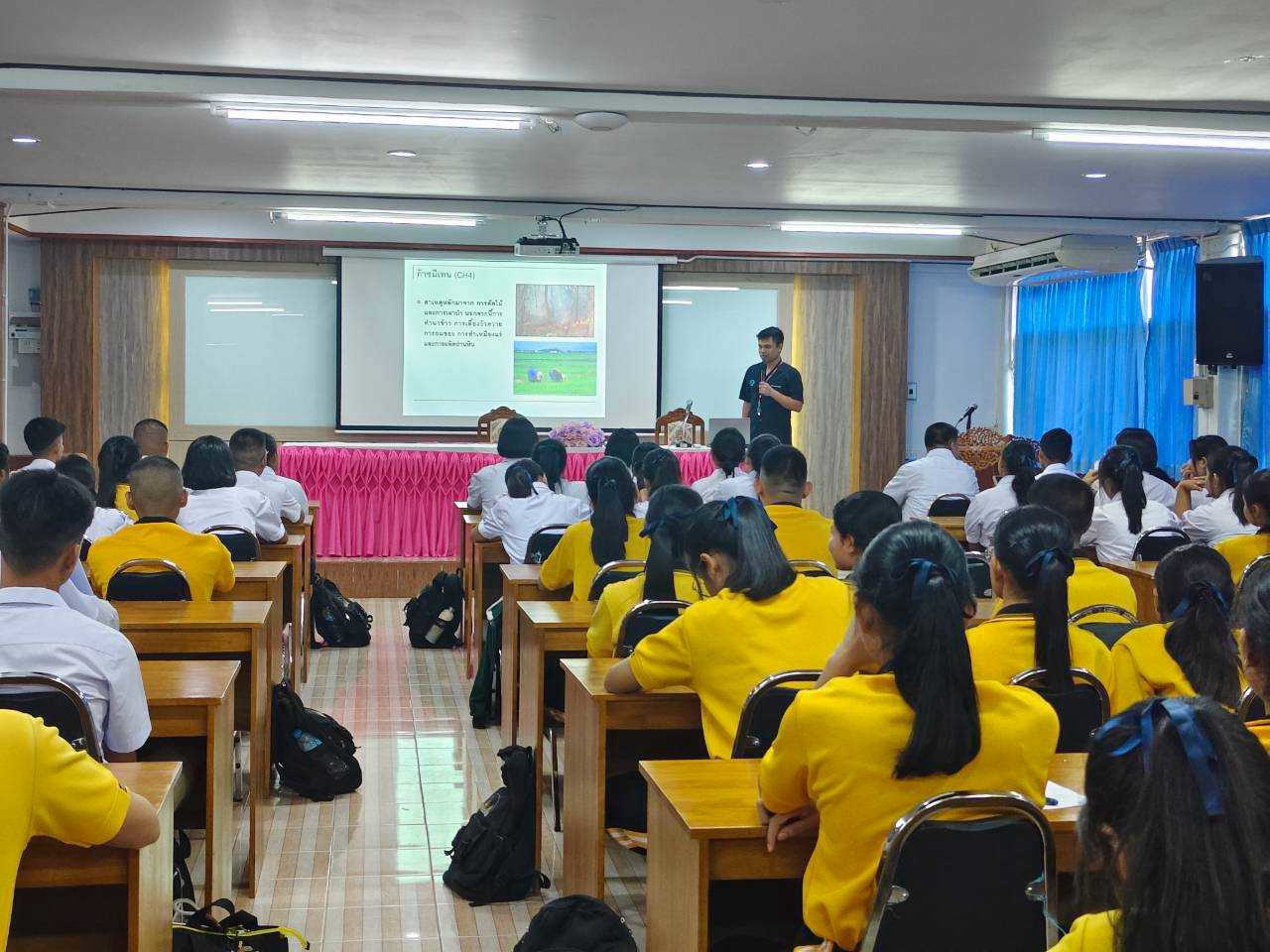
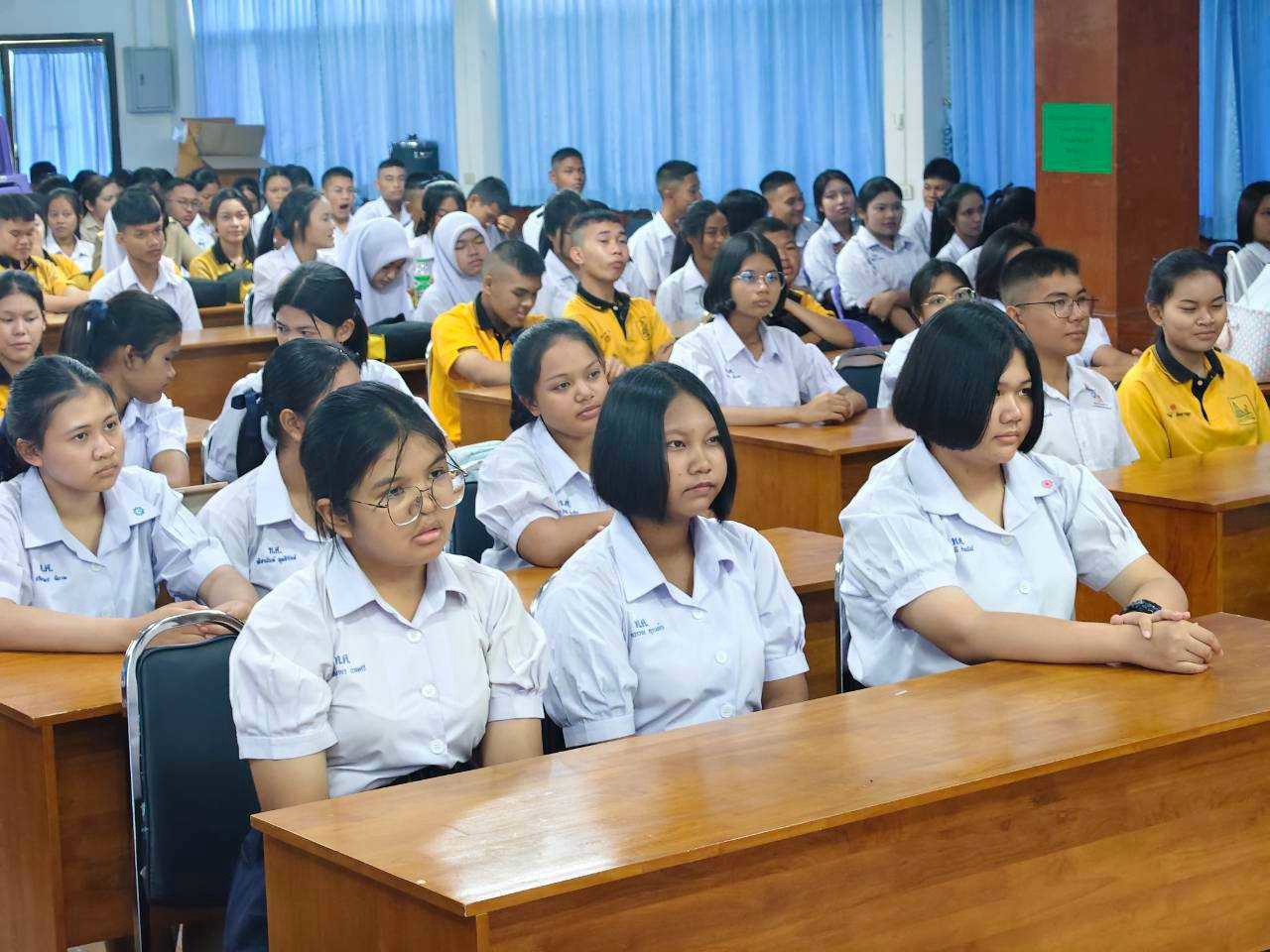
The second activity engaged 120 upper-secondary students at Thasala Prasit Suksa School. Students learned about climate change, Carbon Footprint, greenhouse gas emission sources, and sustainable development. Participatory learning activities encouraged them to analyse carbon-generating behaviours in everyday life and explore practical approaches to reducing emissions at the individual, school, and community levels.
Following the training activities, participants showed a positive tendency toward greater recognition of the importance of climate action and increased awareness of greenhouse gas reduction. They demonstrated greater interest in incorporating low-carbon practices into daily life and contributing to environmental action within schools and surrounding communities.
The project directly contributes to SDG 13: Climate Action, particularly the educational dimension of climate action, by strengthening local knowledge, awareness, and capacity to respond to climate change. By connecting university expertise with students, local vendors, and community members, the project demonstrates how climate education can extend beyond the classroom and stimulate collective action toward sustainable, low-carbon communities.
เอกสารอ้างอิง
Meinke, H., Nelson, R., Kokic, P., Stone, R., Selvaraju, R., & Baethgen, W. (2006). Actionable climate knowledge: from analysis to synthesis. Climate Research, 33, 101-110. https://doi.org/10.3354/cr033101
Naess, L. O. (2013). The role of local knowledge in adaptation to climate change. Wiley Interdisciplinary Reviews: Climate Change, 4(2), 99-106. https://doi.org/10.1002/wcc.204
Cloutier, G., Joerin, F., Dubois, C., Labarthe, M., Legay, C., & Viens, D. (2015). Planning adaptation based on local actors’ knowledge and participation: a climate governance experiment. Climate Policy, 15(4), 458-474. https://doi.org/10.1080/14693062.2014.937388
